 Donate
When the Music Stops Being Covered: Consolidation, Layoffs, and the Fight for Music Media’s Future
Hello friends, Steph here, Executive Director at the MMC.
This is a longer post from me, but this summer was brutal for music media, so let’s talk about what happened and where the MMC is headed.
Let’s first acknowledge, as an industry, we’ve already been dealing with the terrible fallout from funding being stripped away from public media – a massive and vital part of the music media ecosystem. And in 2025 alone, more than 17,000 entertainment and media jobs were cut in the first 11 months. (TheWrap.)
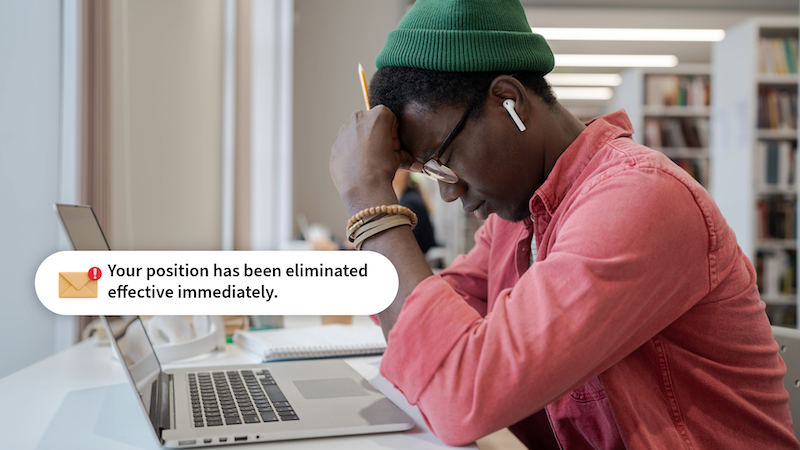
Then came this summer. In June, iHeart went through another massive round of layoffs, cutting deeper into the on-air staff and behind-the-scenes professionals who make radio radio – local, human, and unique to each market. Cumulus followed with additional cuts across several markets. On August 4, another major blow: Veeps, a company majority-owned by Live Nation, made sweeping cuts across BrooklynVegan, Alternative Press, Revolver and Goldmine. Four outlets, decades of history, one day.
So What’s the Deal With the Veeps Layoffs?
Veeps, a live-streaming and on-demand entertainment company, was co-founded by Joel and Benji Madden, the leading members of the band Good Charlotte. In 2021, Live Nation took a majority stake in Veeps. The Maddens acquired Alternative Press in 2020, and BrooklynVegan, Revolver, and Goldmine later joined Alternative Press under the Veeps umbrella. Then came the summer of 2026 – mass layoffs across all four. But why would a company like Veeps do this? Obviously, this pattern isn’t new because data is still king, right?
When large corporations acquire successful brands, they get the audience that comes with them, the data, the IP, the history, the credibility, and communities built over decades. All of that has value, even if the publication eventually goes away entirely or changes dramatically down the road.
But the biggest question is: what happens to the industry as music media continues to consolidate and disappear?
How will fans discover new music? Who will tell the real stories instead of paid advertorials? Who will be left to document the scenes and give the artist playing to 75 people the attention that helps them become the artist playing to 7,500? And let’s acknowledge here that music media isn’t the only part of the ecosystem that’s struggling right now. Indie venues and smaller, affordable rooms – the places where artists get their start on a stage- are also fighting to keep their doors open.
For a lot of fans, going to a show isn’t the casual night out it used to be. They’re weighing a concert or festival ticket against a vacation, bills, or hell, even a mortgage payment. That’s just insane. Music should always be accessible and affordable, not a luxury reserved for the elite, controlled by corporations, and gatekept. Yet we keep slipping further in that direction.
SO WHEN ARE PEOPLE GOING TO GET MAD? And I don’t just mean those of us working in the industry. I mean the fans too.

This Is Why I Started the Music Media Collective
Because at some point, you have to stop watching what’s happening and do something about it. If we stay quiet, it’s not just magically going to get better. After 26 years in this business, I’ve worked in radio promotion and marketing for major and indie labels, live production, and music tech, and lived through a few major disruptions in the music biz. But this one feels different.
More than a decade ago, I was the co-founder and owner of an independent music publication and creative agency. For a while, things felt kind of electric. There were tons of blogs, zines, and print publications, and we all felt like family even though we were competing. We worked with commercial and noncomm radio, supporting shows, festivals, in-studio performances, and more. But by late 2015, I was watching the squeeze happen in real time – to my organization, my colleagues, and other independent outlets. Journalism was changing, and it was becoming harder to sustain. As more independent outlets disappeared and commercial media consolidated, public media became even more vital. That’s when I first had the idea to start a music media nonprofit.
I want to pause here and give a huge shout-out to NPR Music, PRX, and all of the public media organizations that have been at the forefront of music discovery for decades. You are the leaders. But there is more music now than ever before, and there simply aren’t enough opportunities to cut through the noise and be heard, and one format can’t continue to carry the weight alone.
A year and a half ago, I finally incorporated the Music Media Collective. With no grant funding and very limited resources, our Board, Advisory Board, Junior Advisory Board, and small but mighty team have:
In 18 Months, We’ve Done a Lot With a Little:
- Produced programming during GRAMMY Week and New York Music Month.
- Hosted red carpet coverage at the Clio Music Awards.
- Became a supporting media partner for FestForums.
- Built Asses in Seats to 150K+ views and 26K+ followers while raising more than $6,000 for MusiCares and NIVF.
- Launched our Junior Advisory Board and career-focused programming connecting emerging professionals with industry veterans.
- Used surveys, research, and industry collaborations to advocate for people working across music media and help shape what MMC builds next.
I’m proud of that list. But it’s still not enough.
Panels and webinars don’t pay anyone’s rent. So now we’re thinking bigger.
We’ll continue collaborating with and supporting the indie publications and public media already doing this work. Our work is alongside them. We’re also developing new projects designed to create content, jobs, and paid opportunities for music media professionals and outlets, while giving emerging talent real-world experience and a path into the industry. And we’re exploring a permanent home for the MMC where we can bring artists, media, fans, and all of this work together under one roof.
We’re just getting started. And we want you to be part of it.
Follow us. Share our mission and projects. Tell us your struggles and your ideas. Partner with us. Donate if you can.
Hit me up directly: stephanie.seiple@mmcollective.org
Let’s get to work and build the future of music media together.
– Stephanie Seiple
Executive Director
Music Media Collective